Ras Al Khaimah has never tried to grow at the speed of its larger neighbors. That has always been its advantage. Development here has followed land, coastline, and long-term intent rather than pressure or competition. For buyers and investors who value stability, this difference is immediately apparent.
The role of top real estate developers in Ras Al Khaimah is therefore very specific. It is not about dominating skylines or accelerating turnover. It is about understanding where growth belongs and where restraint matters more.
Over time, this approach has shaped an emirate that feels composed rather than crowded.
Ras Al Khaimah offers something that is increasingly rare across the region. Space. Not just physical distance between buildings, but visual openness and breathing room within daily life.
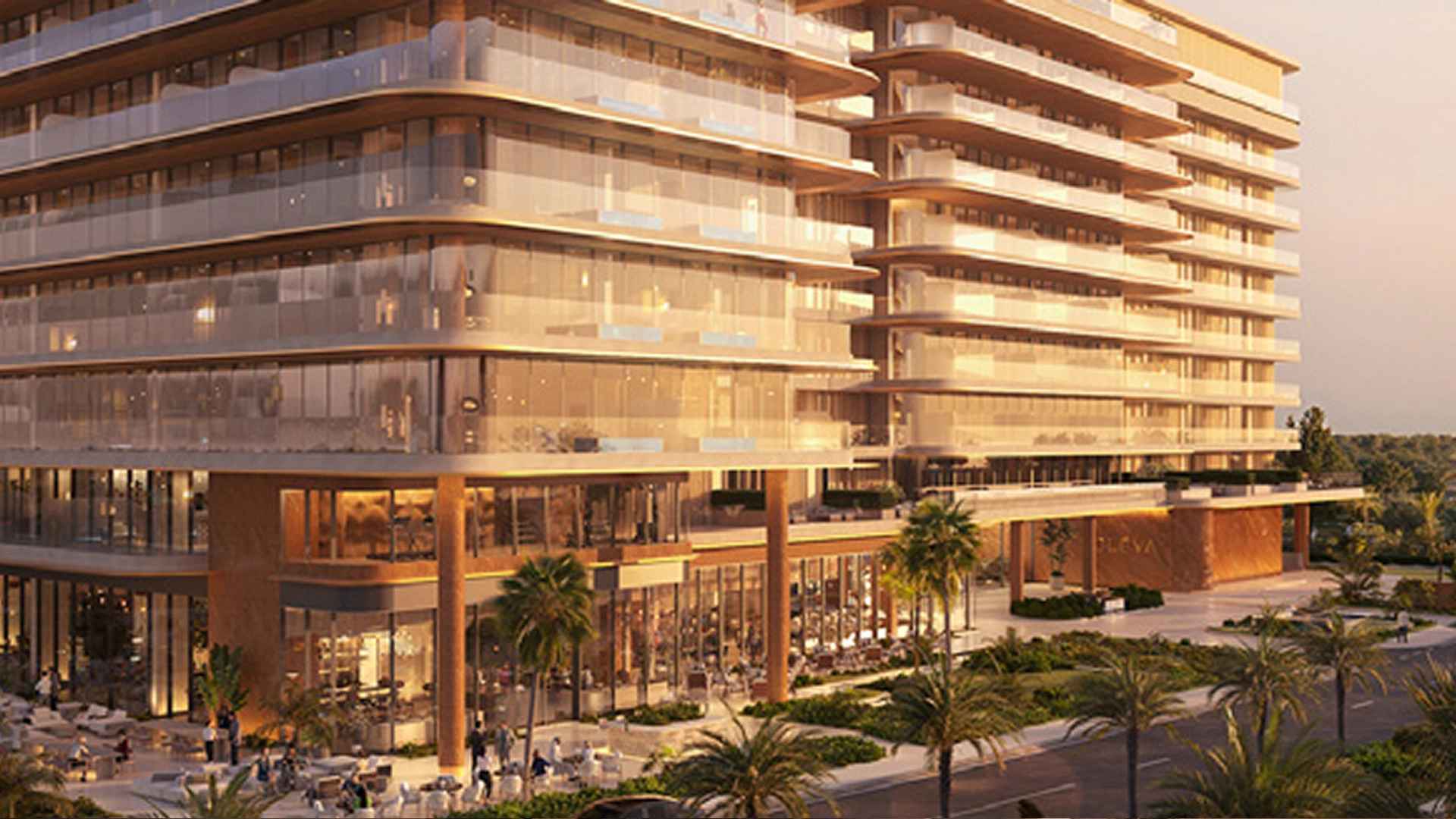
Mountains form the backdrop. The coastline remains uninterrupted in long stretches. Developments are lower in height, wider in spread, and more closely tied to natural orientation. Top real estate developers in Ras Al Khaimah work with these conditions, not against them.
Projects that succeed here do not attempt to compress density into limited parcels. They allow views to exist. They let light travel. They respect sightlines rather than blocking them.
This restraint has shaped buyer expectations. People come to Ras Al Khaimah because they do not want congestion disguised as luxury.
Buildings in Ras Al Khaimah are noticed when they interrupt the landscape. They are respected when they sit quietly within it.
Top real estate developers in Ras Al Khaimah understand that belonging matters more than visibility. Orientation is chosen carefully. Massing is softened. Volumes are broken down so that scale feels human rather than imposing.
Instead of competing for attention, well-planned developments allow surroundings to remain part of everyday experience. Mountains are framed, not hidden. Water remains visible from multiple angles. Open sky is preserved.
This design philosophy creates places that feel settled almost immediately.
Ras Al Khaimah’s growth is supported by long-range planning rather than reactive expansion. Infrastructure, tourism, and residential development move together, which places a clear expectation on developers.
Top real estate developers in Ras Al Khaimah are expected to contribute to the future fabric of the emirate, not extract short-term returns.
Projects are assessed on questions that extend beyond launch:
Developments that cannot answer these questions convincingly tend to lose appeal quickly in this market.
Waterfront living is one of Ras Al Khaimah’s strongest attractions. It is also where mistakes become most visible.
Top real estate developers in Ras Al Khaimah approach coastal and island locations with caution. Salt, humidity, wind exposure, and long-term wear influence every decision, from structure to finishing.
Responsible coastal development includes:
When these factors are handled correctly, coastal projects feel calm and permanent instead of fragile.
One of Ras Al Khaimah’s defining characteristics is its refusal to overbuild. Height restrictions and lower density have created an environment where scale becomes an advantage.
Top real estate developers in Ras Al Khaimah use this to enhance comfort. Buildings receive more daylight. Outdoor spaces feel usable. Distances between structures reduce noise and visual fatigue.
Rather than filling space, good developments here allow space to exist.
Homes feel open without being exposed. Interiors connect naturally to terraces, gardens, and views beyond the site.
Buyers who choose Ras Al Khaimah are rarely motivated by commute times alone. They are looking for a different rhythm of living.
This shapes how top real estate developers in Ras Al Khaimah plan communities. Lifestyle is not added through amenities alone. It is embedded in circulation, access, and quiet planning decisions.
Strong lifestyle planning often includes:
Developments that prioritize daily routine over spectacle tend to foster stronger long-term occupancy.
Many homes in Ras Al Khaimah are primary residences. This changes how interiors are approached.
Top real estate developers in Ras Al Khaimah design interiors for longevity rather than short-term appeal. Storage is practical. Materials are selected for durability. Layouts support everyday living rather than occasional use.
Finishes are not overly decorative. They are calm, neutral, and capable of aging without looking tired.
Homes designed this way feel established from the first day of occupancy.
While Ras Al Khaimah values openness, accessibility still matters. Developers must consider roads, airport access, healthcare, and education when planning projects.
Top real estate developers in Ras Al Khaimah factor infrastructure into site selection and master planning. Developments that align well with future connectivity retain value more effectively over time.
Buyers look beyond the unit itself. They evaluate how smoothly life will function around it.
The market in Ras Al Khaimah attracts buyers who are intentional. Some are end-users seeking long-term homes. Others are investors focused on steady returns rather than volatility.
This maturity influences what succeeds. Overdesigned projects rarely perform well. Developments built around clarity and comfort tend to age better.
Top real estate developers in Ras Al Khaimah respond by offering balanced products. Livability and investment logic exist side by side, without excess on either end.
As attention toward Ras Al Khaimah increases, delivery standards matter more than ever. Buyers expect timelines to be respected and specifications to be honored.
Top real estate developers in Ras Al Khaimah build reputation through consistency. Communication remains clear. Quality control does not drop toward the final stages.
Execution is not treated as a phase. It is treated as a discipline that runs throughout the project.
Ras Al Khaimah’s future growth is likely to remain controlled and intentional. This favors developers who understand patience and responsibility.
Top real estate developers in Ras Al Khaimah will be those who protect what makes the emirate appealing in the first place. Space. Calm. Connection to nature.
Here, quality is not accelerated. It is allowed to mature.
They are defined by long-term thinking, contextual design, reliable execution, and respect for natural surroundings.
Lower density, access to nature, and a more balanced lifestyle attract buyers seeking permanence rather than pace.
Materials, structure, and layouts must address humidity, salinity, and long-term maintenance challenges.
Yes. Luxury here emphasizes comfort, openness, and durability rather than scale or visual intensity.
Measured growth, infrastructure alignment, responsible planning, and livability-focused design.