Every real estate decision is a choice between environments, not just numbers. Dubai and Ras Al Khaimah are often placed on opposite ends of the same conversation, yet they represent two different philosophies of growth. One is defined by acceleration, the other by calibration. Understanding this difference is essential for investors who are not chasing trends, but building portfolios meant to last.
At Al Huzaifa Properties, our perspective comes from five decades of working inside spaces rather than around them. We have seen how design choices echo through time. This experience shapes how we view both markets.
Dubai grew through ambition. It attracted capital by offering scale, speed, and global visibility. Ras Al Khaimah, by contrast, grew through coherence. It focused on sequencing, natural context, and residential identity.
Dubai remains a reference point for international business and short-cycle opportunity. Ras Al Khaimah has positioned itself as a long-cycle residential environment. These are not competing paths. They are different answers to the same question. How should a city evolve.
Dubai’s development pattern is defined by vertical intensity. Towers, commercial clusters, and transport corridors intersect in rapid succession. This density generates constant activity, but it also compresses space.
Ras Al Khaimah operates with a wider lens. Development is spread across coastal belts, island communities, and inland residential corridors. Instead of concentration, it offers separation. Instead of spectacle, it offers sequence.
For investors, this difference influences not only pricing, but how properties behave once they are occupied.
In Dubai, property investment often attracts short-horizon buyers. Flipping strategies, launch-driven demand, and event-related cycles play a significant role. This creates volatility that can reward speed but punish hesitation.
Ras Al Khaimah attracts a different profile. Buyers tend to be end users, long-term residents, or patient investors. Demand is shaped by relocation, lifestyle migration, and permanent settlement.
This divergence means performance metrics differ fundamentally. One market responds to momentum. The other responds to stability.
Design in Dubai frequently operates under time pressure. Speed of delivery is often prioritized to meet market windows. While this produces innovation, it can also lead to inconsistencies across projects.
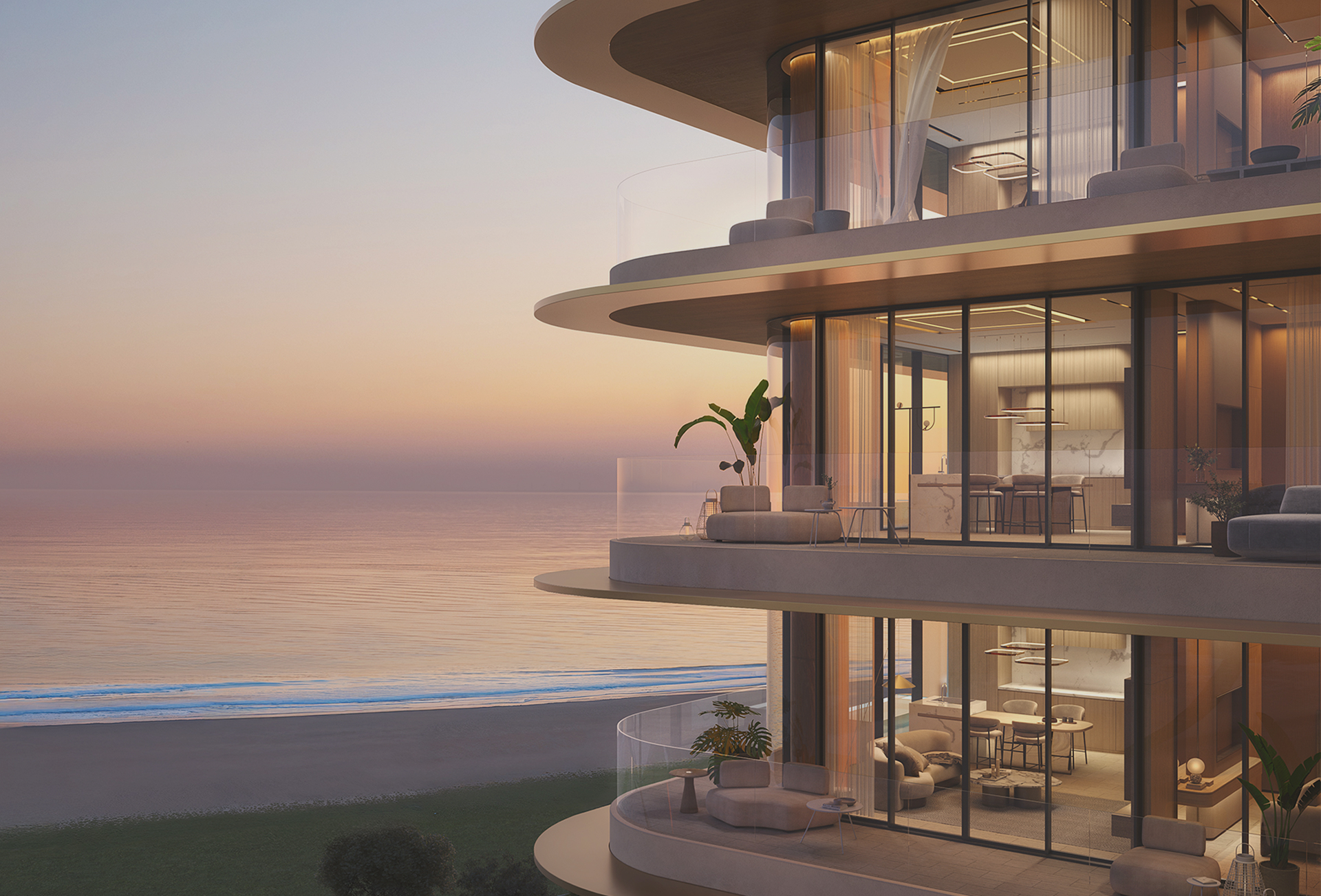
Ras Al Khaimah allows design to breathe. Projects are developed with longer gestation periods, giving architects and planners room to resolve spatial logic properly.
At Al Huzaifa, we are aligned naturally with this second rhythm. Our design philosophy is built on iteration, not acceleration.
Dubai’s entry thresholds have increased steadily. Premium districts now demand significant capital, which concentrates participation within narrower buyer segments.
Ras Al Khaimah offers more flexible entry points without diluting quality. Investors can allocate capital across a wider range of asset types, reducing exposure concentration.
This flexibility supports diversified strategies rather than all-or-nothing positioning.
Dubai properties often experience cyclical occupancy linked to market sentiment. During high-growth phases, demand surges. During consolidation phases, vacancy becomes more visible.
In Ras Al Khaimah, occupancy is less reactive. Homes are selected for livability rather than speculation, which supports consistent usage patterns even during quieter periods.
This behavioral difference affects asset lifespan. Properties built for permanent living tend to age with purpose. Those built for momentum age with fatigue.
Dubai’s infrastructure is expansive, but also under constant pressure from scale. Growth frequently requires retrofitting.
Ras Al Khaimah’s infrastructure expansion is sequenced. Roads, utilities, and community facilities are introduced in alignment with residential growth rather than reacting to it.
This approach reduces disruption and protects neighborhood character.
Our roots are in craftsmanship, not acceleration. For decades, we have delivered furniture and interiors for environments that demand endurance. This experience has shaped how we view development.
When investing through Al Huzaifa, you align with:
We do not design for headlines. We design for habitation.
Dubai suits investors who thrive on velocity. Those comfortable with market cycles, rapid turnover, and high-stakes timing find it stimulating.
Ras Al Khaimah suits investors who value legibility. Those who seek environments where property behaves predictably rather than dramatically find it reassuring.
The question is not which city is better. The question is which rhythm aligns with your intent.
Markets will continue to shift. Dubai will remain influential. Ras Al Khaimah will continue to mature. The difference will always lie in how each city treats time.
At Al Huzaifa Properties, we believe in investments that do not depend on constant reinvention. We believe in places that become more themselves over the years.
That belief leads us naturally toward Ras Al Khaimah, not away from Dubai, but in parallel with it. Two cities, two philosophies, and for investors, two distinct ways to build confidence.
Dubai emphasizes speed, vertical growth, and global visibility, while Ras Al Khaimah follows a more measured approach shaped by residential coherence, lower density, and long-term planning. These contrasting styles influence not only property prices, but how neighborhoods evolve and sustain demand.
Long-term investors often find Ras Al Khaimah better aligned with their goals because its demand is driven by lifestyle migration and permanent residency rather than short-cycle speculation, supporting steadier occupancy patterns and asset performance over time.
Dubai continues to present opportunities, particularly for investors comfortable with volatility and timing-driven strategies. However, higher entry costs and market sensitivity require sharper execution and greater tolerance for fluctuation compared to more stable residential environments.
Dubai properties tend to experience demand cycles influenced by market sentiment, while Ras Al Khaimah homes are often selected for long-term living, resulting in more consistent occupancy and reduced sensitivity to short-term economic shifts.
Al Huzaifa is drawn to markets where design discipline and long-term livability are valued. Ras Al Khaimah’s planning philosophy allows homes to be developed with clarity, coherence, and endurance rather than pressure-driven timelines.