

Luxury Real Estate Developer in UAE
Luxury Real Estate Development in Ras Al Khaimah
Luxury real estate development is shaped long before a building becomes visible. It begins with judgement. Judgement about land, proportion, movement, and use. The difference between a luxury development and an expensive one often lies in decisions that are not immediately obvious. What is left untouched. What is simplified. What is resolved early instead of corrected later.
In practice, luxury development is less about addition and more about control. Control over planning, materials, sequencing, and execution. When this control is present, the finished space feels composed. When it is missing, no amount of surface refinement can compensate.
Well-developed properties do not announce themselves aggressively. They reveal their quality through ease of use, balance, and consistency over time.
Luxury Is Established Before Design Is Visible
Many projects attempt to define luxury through appearance. Stone cladding, dramatic elevations, and long amenity lists are often used as shorthand. These elements may attract attention, but they do not guarantee quality.
Lasting luxury is established earlier, during planning. It emerges from how the site is approached, how the structure is placed, and how people are expected to move through the building. These decisions shape daily experience far more than visual statements.
When development intent is clear, the outcome feels calm rather than forced. Spaces feel natural to occupy because they have been planned around use, not display.
Strong intent addresses practical questions at the outset:
- How does someone enter and leave the building each day?
- Which spaces are shared and which remain private?
- How does daylight move through the structure across seasons?
- Which materials will continue to perform after years of use?
When these questions are answered early, design becomes a process of refinement rather than correction.
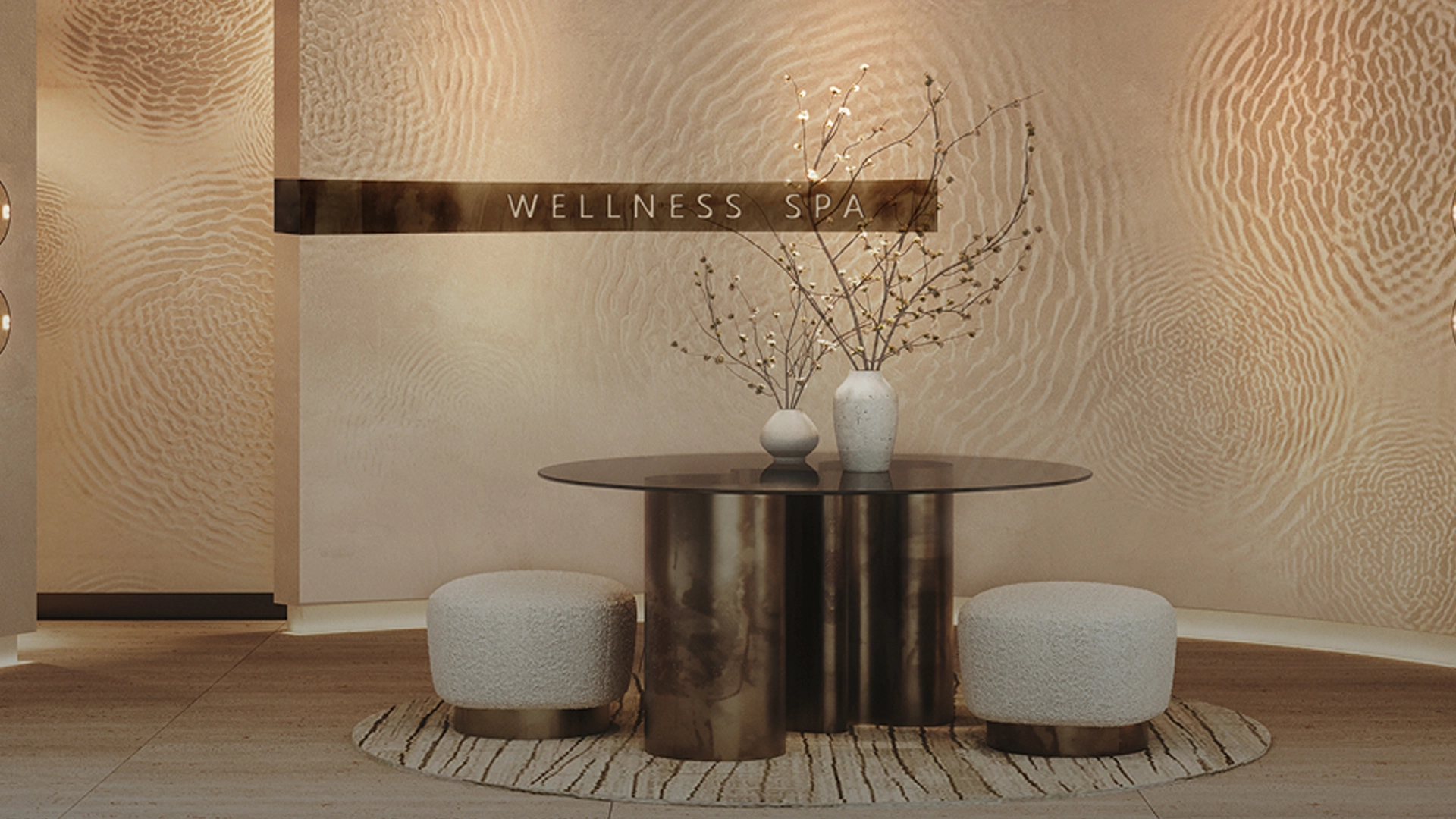
Design-Led Property Development by Al Huzaifa Properties
Design-led development does not mean prioritizing aesthetics at the expense of function. It means allowing design thinking to guide structure, planning, and execution together.
In this approach, architecture and interiors evolve as one. Structural grids align with room layouts. Ceiling heights are decided with furniture and movement in mind. Circulation routes are resolved early so they do not interrupt living spaces later.
This method reduces friction during construction. It also limits last-minute compromises that often affect quality.
A design-led development process typically results in:
- Clear spatial hierarchy without wasted volume
- Logical transitions between rooms and functions
- Consistent detailing across the project
- Fewer changes during construction
The building feels intentional because it has been shaped deliberately from the start.
Timeless Design Comes from Restraint
Luxury tied too closely to fashion rarely lasts. Materials and forms chosen for immediate impact often date quickly. Timeless design avoids this by focusing on fundamentals rather than trends.
Timeless developments rely on proportion, alignment, and material honesty. They favor clarity over decoration and balance over novelty.
Key characteristics of timeless luxury include:
- Materials that develop patina rather than degrade
- Layouts that accommodate changing household needs
- Neutral tones influenced by natural light
- Architectural forms based on geometry rather than ornament
Such spaces do not demand constant updating. They allow residents to inhabit them naturally, without feeling the need to adapt the environment to shifting tastes.
Integrated Control Protects Quality
Luxury development requires continuity. When design, procurement, and execution are handled in isolation, the original intent often weakens as the project progresses.
An integrated approach keeps decision-making aligned. Materials are selected with construction realities in mind. Details are resolved knowing how they will be executed on site. This reduces inconsistency and preserves quality.
The benefits of integrated control are practical:
- Fewer discrepancies between drawings and construction
- Better coordination between teams
- Greater consistency in finishes and detailing
- Reduced corrective work during later stages
Quality becomes repeatable rather than dependent on chance.
Designing for Daily Use, Not Occasional Impression
Luxury is not experienced once. It is experienced every day. For this reason, development decisions must prioritize daily use over visual drama.
This includes how spaces respond to sound, light, and movement. It includes how easily residents transition between shared and private areas. It includes how comfortable a space feels during quiet moments, not just formal occasions.
Human-centered development considers:
- Calm and legible arrival sequences
- Logical zoning between social and private areas
- Visual order that reduces clutter
- Acoustic separation where needed
- Natural ventilation and daylight as essential elements
These factors may not draw immediate attention, but they define how a space feels over time.
Craftsmanship Reveals Itself Slowly
Good craftsmanship does not seek attention. It becomes evident through consistency and durability.
In luxury real estate development, craftsmanship shows in small but persistent ways. Doors close smoothly. Materials align cleanly. Finishes remain stable. Nothing feels temporary or improvised.
Indicators of strong craftsmanship include:
- Precise junctions between materials
- Uniform tolerances across spaces
- Solid construction beneath visible finishes
- Details designed for repeated daily use
This level of execution requires planning and discipline. It cannot be introduced at the end of a project. It must be protected throughout the process.
Material Choices That Withstand Time
Luxury development values materials for their behavior, not their novelty. A material’s true quality is revealed after years of use, not at handover.
Durable materials respond well to wear, light, and climate. They maintain character instead of deteriorating. Their appearance improves or stabilizes over time.
Considered material selection focuses on:
- Proven performance rather than visual trends
- Finishes that age evenly
- Honest textures that reflect construction methods
- Balanced combinations that avoid visual fatigue
When materials are chosen with care, maintenance becomes simpler and the building retains its character.
Long-Term Thinking Beyond Completion
Completion is not the endpoint of luxury development. The real measure of success appears later, when the building continues to function without constant intervention.
Developments designed with foresight anticipate change:
- Layouts that adapt to evolving lifestyles
- Infrastructure capable of supporting new technologies
- Efficient systems that reduce long-term operational stress
- Design decisions that remain appropriate without revision
Such projects retain relevance without requiring reinvention.
Redefining Luxury Through Discipline
Luxury real estate development is built on discipline. Discipline in planning. Discipline in execution. Discipline in knowing when to stop.
Projects that endure are not those that attempt to impress at every turn, but those that remain coherent years later. They support daily life without drawing attention to themselves.
When development is approached with care and responsibility, luxury becomes something experienced quietly, through comfort, balance, and reliability. That is the standard by which meaningful real estate is created.
FAQs
What separates luxury real estate development from premium building?
Luxury development focuses on how spaces are planned, used, and maintained over time. Premium building may emphasize specifications, while luxury development prioritizes coherence, longevity, and everyday usability.
Why are early planning decisions so important?
Early planning determines light, movement, privacy, and adaptability. Addressing these elements early reduces the need for later corrections and protects overall quality.
Does luxury development always involve large projects?
No. Luxury principles apply to projects of any size. What matters is the quality of thinking, not the scale of construction.
How does craftsmanship affect daily living?
Craftsmanship influences comfort, durability, and ease of use. Well-executed details continue to perform quietly long after the initial impression fades.
Why is long-term relevance important in luxury properties?
Properties designed for long-term use retain value, reduce maintenance issues, and remain comfortable without constant updates.